


Project Area

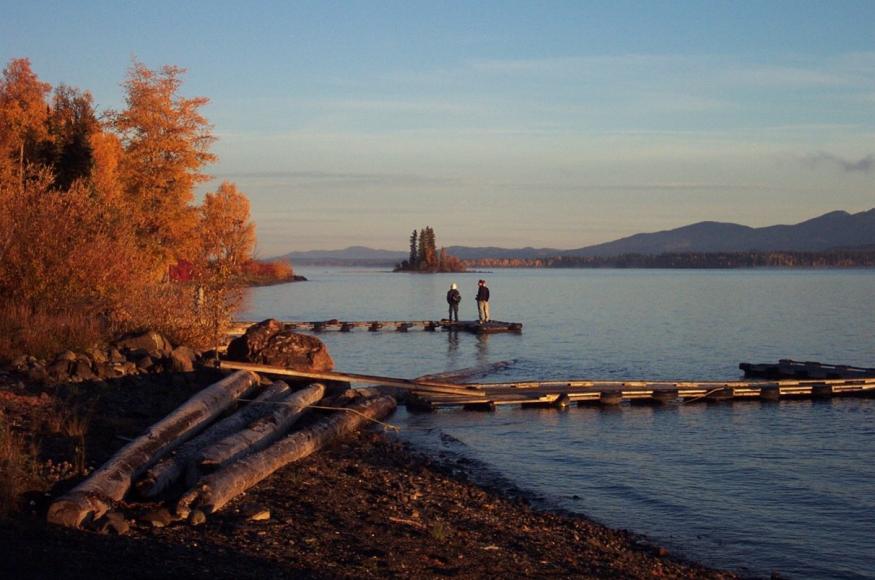
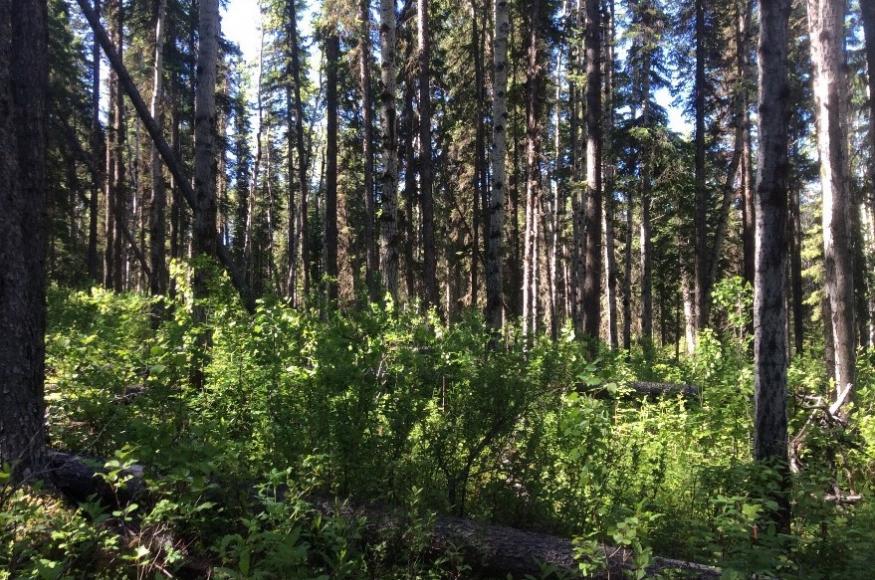
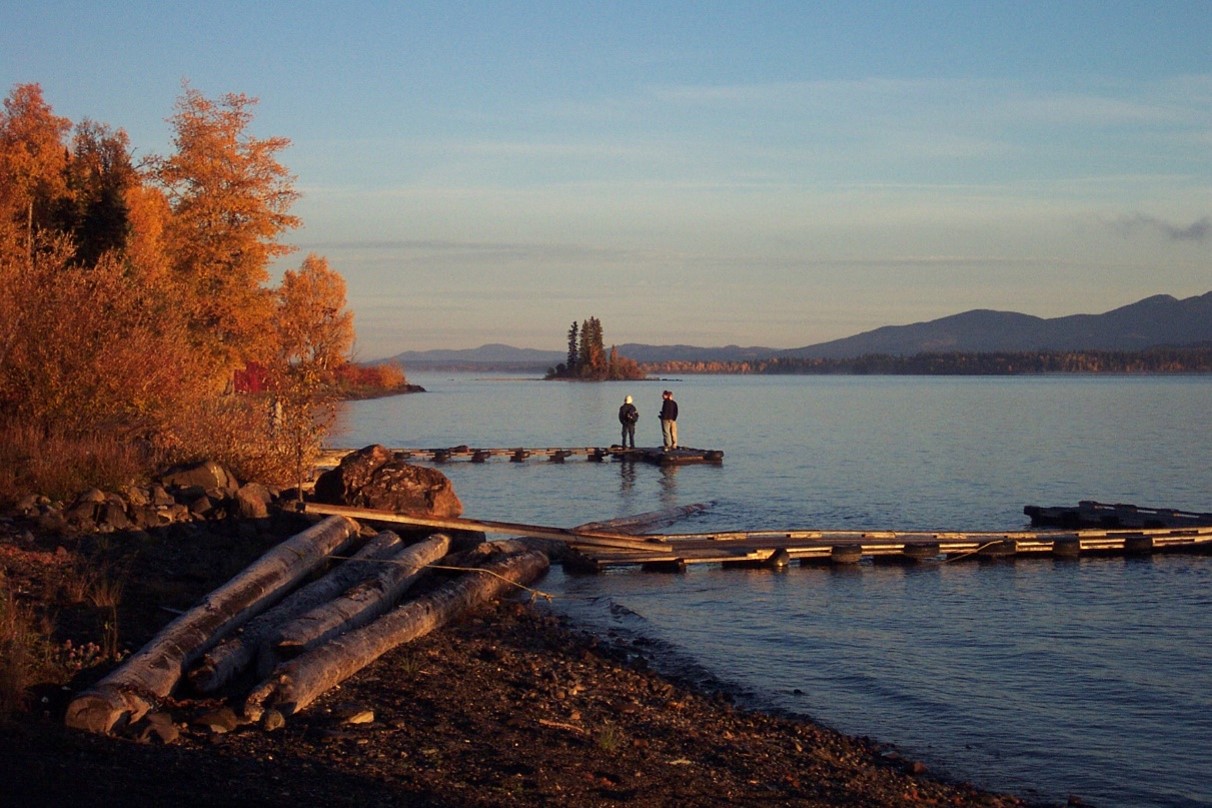
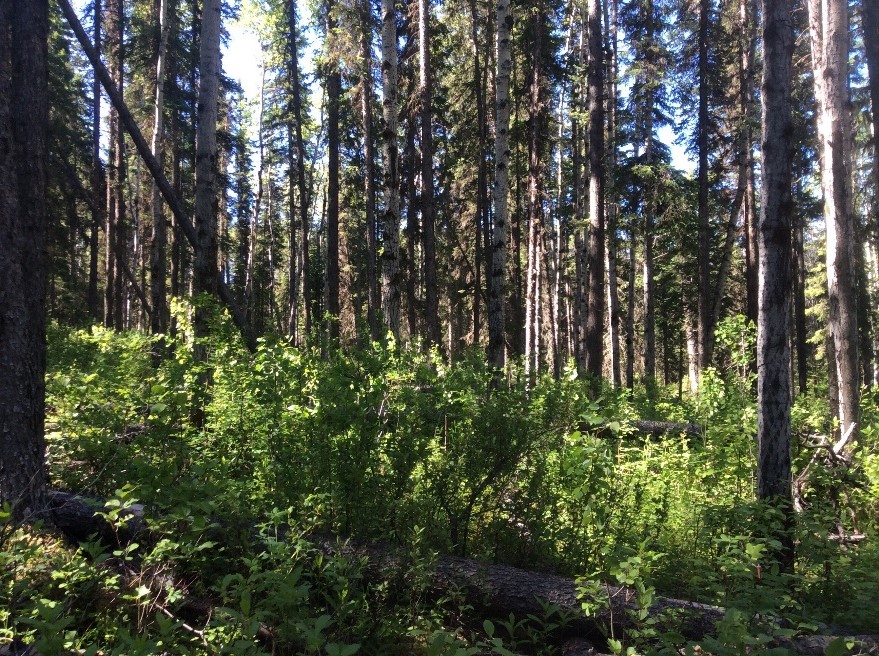
 The John Prince Research Forest is leading the development of an ASCC instillation project site within British Columbia’s Central Interior Plateau. The JPRF ASCC trial site is located within the Nechako Plateau. The research forest is collaboratively managed by the Tl’azt’en First Nation and the University of Northern British Columbia. The land is representative of Canada’s dry sub-boreal spruce biogeoclimatic zone and covers more than 16,000 hectares, the largest such research forest in North America. The territory includes two large lakes, hundreds of kilometers of streams, and more than 2,000 hectares of wetlands. Located within the territory of the Tl’azt’en and Nak’azdli First Nations, this working forest is a dynamic laboratory for the ecological and cultural impacts of climate change, and the management activities that might ameliorate those effects.
Management Goals

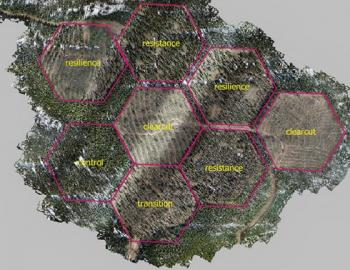
A team of natural resource specialists from the John Prince Research Forest, regional managers, and scientists came together for a virtual three-day workshop in June 2021 to develop the study design for the ASCC project site. The team developed a set of Desired Future Condition statements, Objectives, and Tactics for each major climate adaptation trajectory (resistance, resilience, transition). These three trajectories are briefly summarized below:
Resistance:
- Preserve current species richness, but shift towards historic (1940s) species composition and stand structure: reduction of sub-alpine fir and promotion of Douglas-fir, spruce, and deciduous
- Maintain or improve forest health
- Maintain or enhance forest structural and age diversity, including large diameter spruce and Douglas-fir
Resilience:
- Enhance present species diversity by increasing hardwood relative abundance in overstory
- Reduce fire risk and decrease ladder fuels
- Increase resilience to pest and pathogens
Transition:
- Maintain current diversity, while promoting future-adapted species
- Select and manage current and novel species carefully for present and future pest and pathogens
- Consideration of long-term carbon storage with increased cedar and hemlock
No Action:
Since climate change impacts all forest globally, we cannot maintain a true "control". With this in mind, we consider an approach in which forests are allowed to respond to climate change in the absence of direct silvicultural intervention as an appropriate baseline for many questions.
Climate Change Impacts
Challenges and Opportunities
Challenges
Opportunities
Adaptation Actions
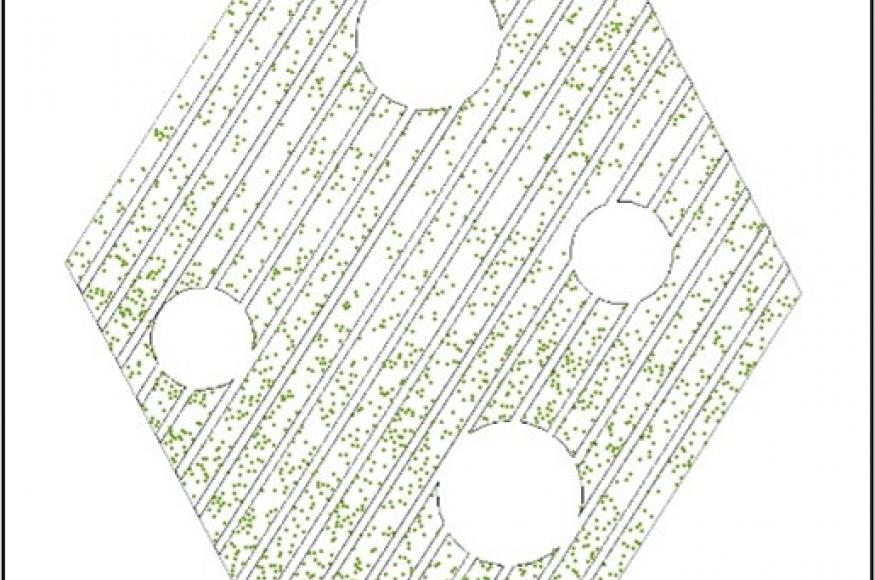
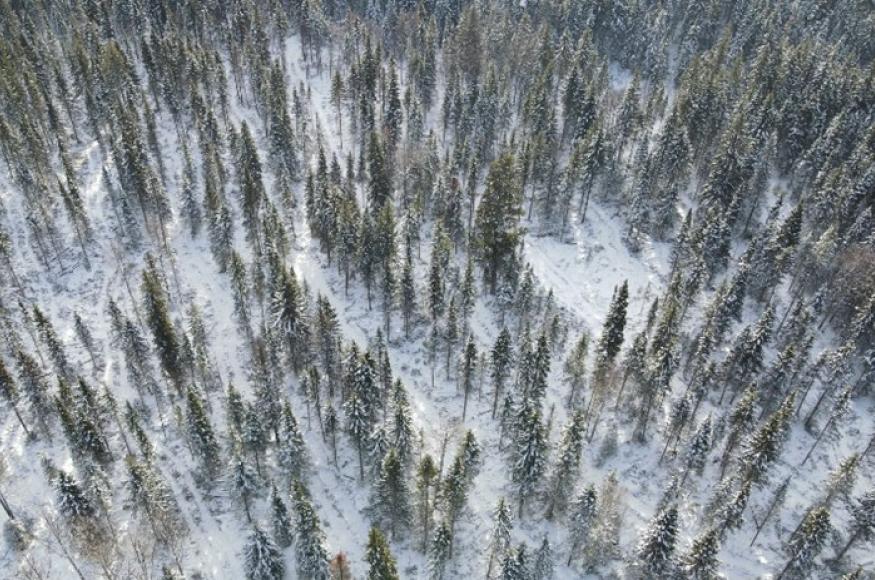
The ASCC project was designed to explicitly test three different adaptation options: resistance, resilience, and transition. A detailed silvicultural prescription was designed for each adaptation option, which was replicated several times across the study site. Detailed silvicultural prescriptions can be found in the Adaptation Workbook. The study site also includes several no-action "control" stands for comparison. Some of the adaptation tactics employed in this project include:
5.2. Maintain and restore diversity of native species.
5.3. Retain biological legacies.
9.1. Favor or restore native species that are expected to be adapted to future conditions.
2.1. Maintain or improve the ability of forests to resist pests and pathogens.
3.1. Alter forest structure or composition to reduce risk or severity of wildfire.
9.1. Favor or restore native species that are expected to be adapted to future conditions.
9.7. Introduce species that are expected to be adapted to future conditions.
5.1. Promote diverse age classes.
5.2. Maintain and restore diversity of native species.
9.6. Manage for species and genotypes with wide moisture and temperature tolerances.
9.7. Introduce species that are expected to be adapted to future conditions.