


Project Area
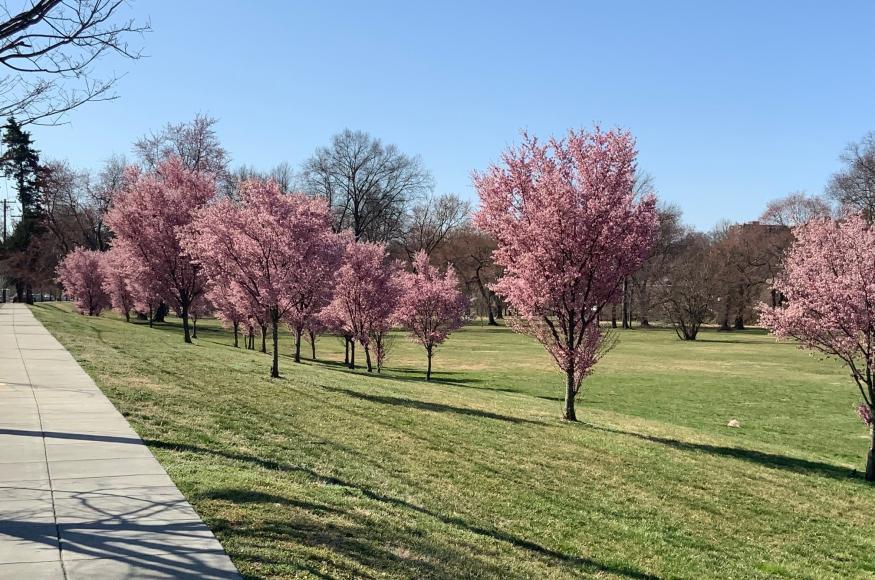
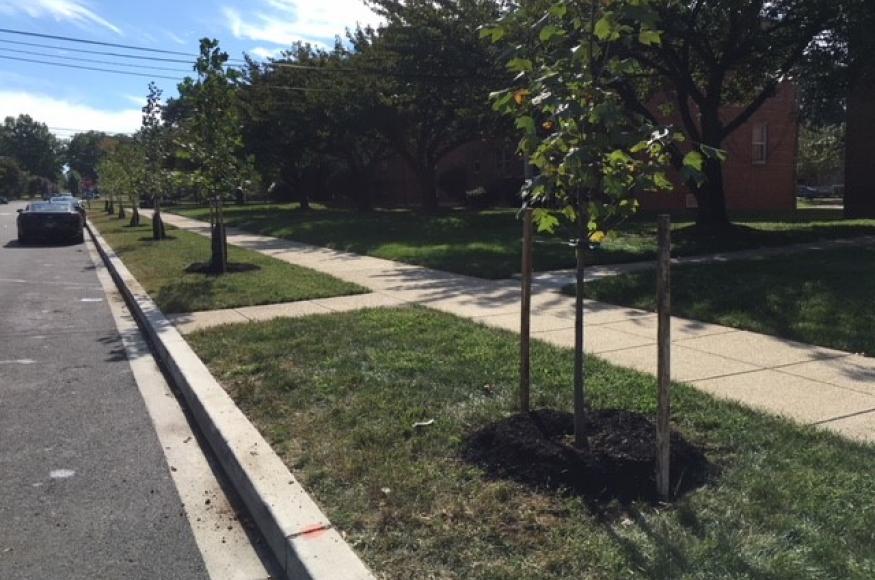
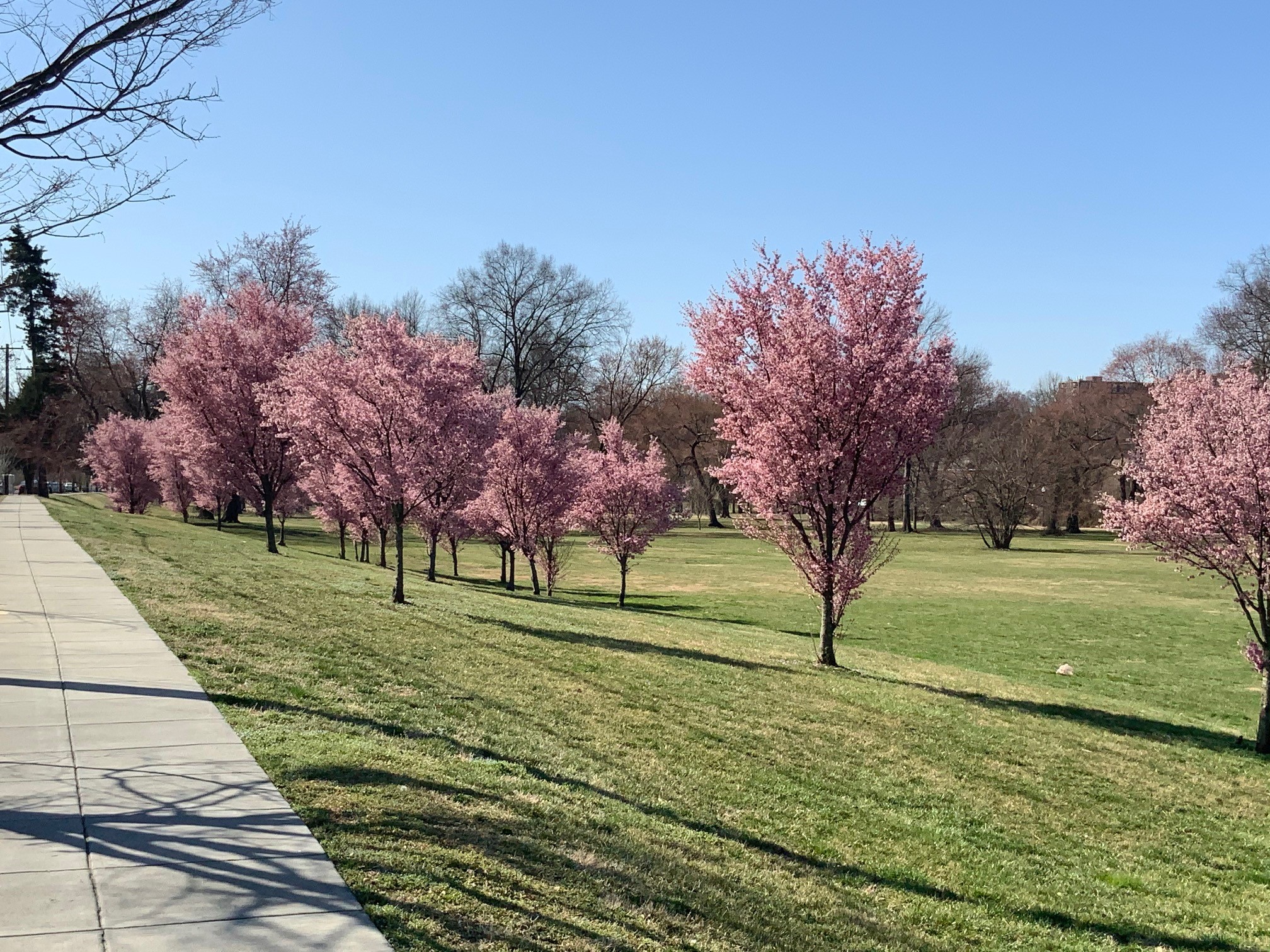
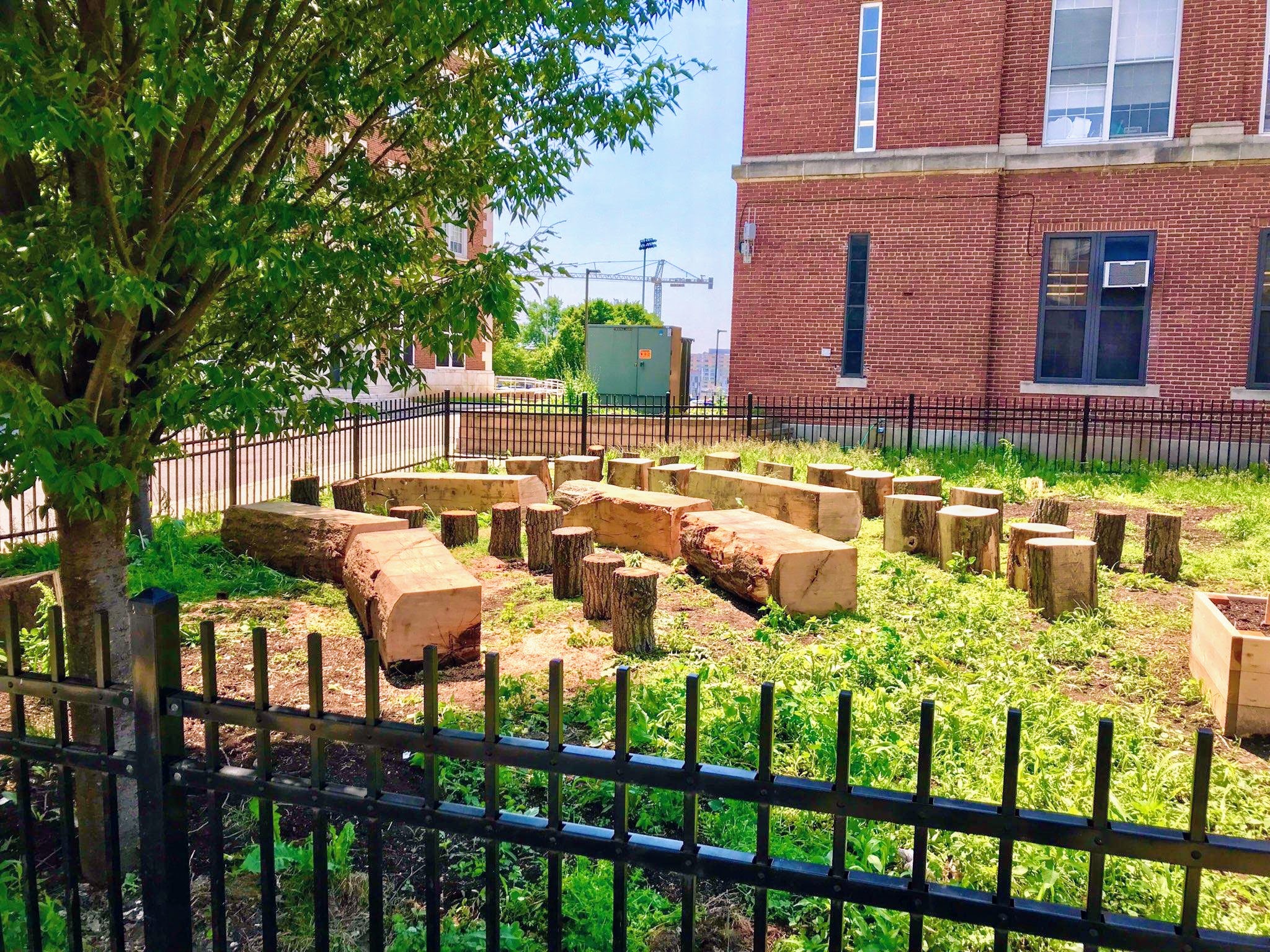
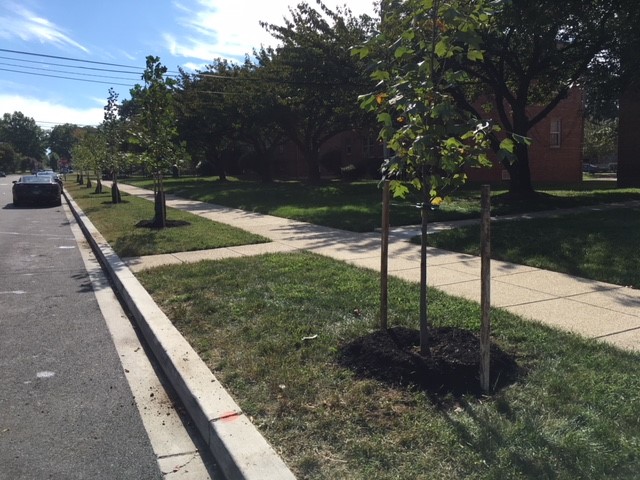
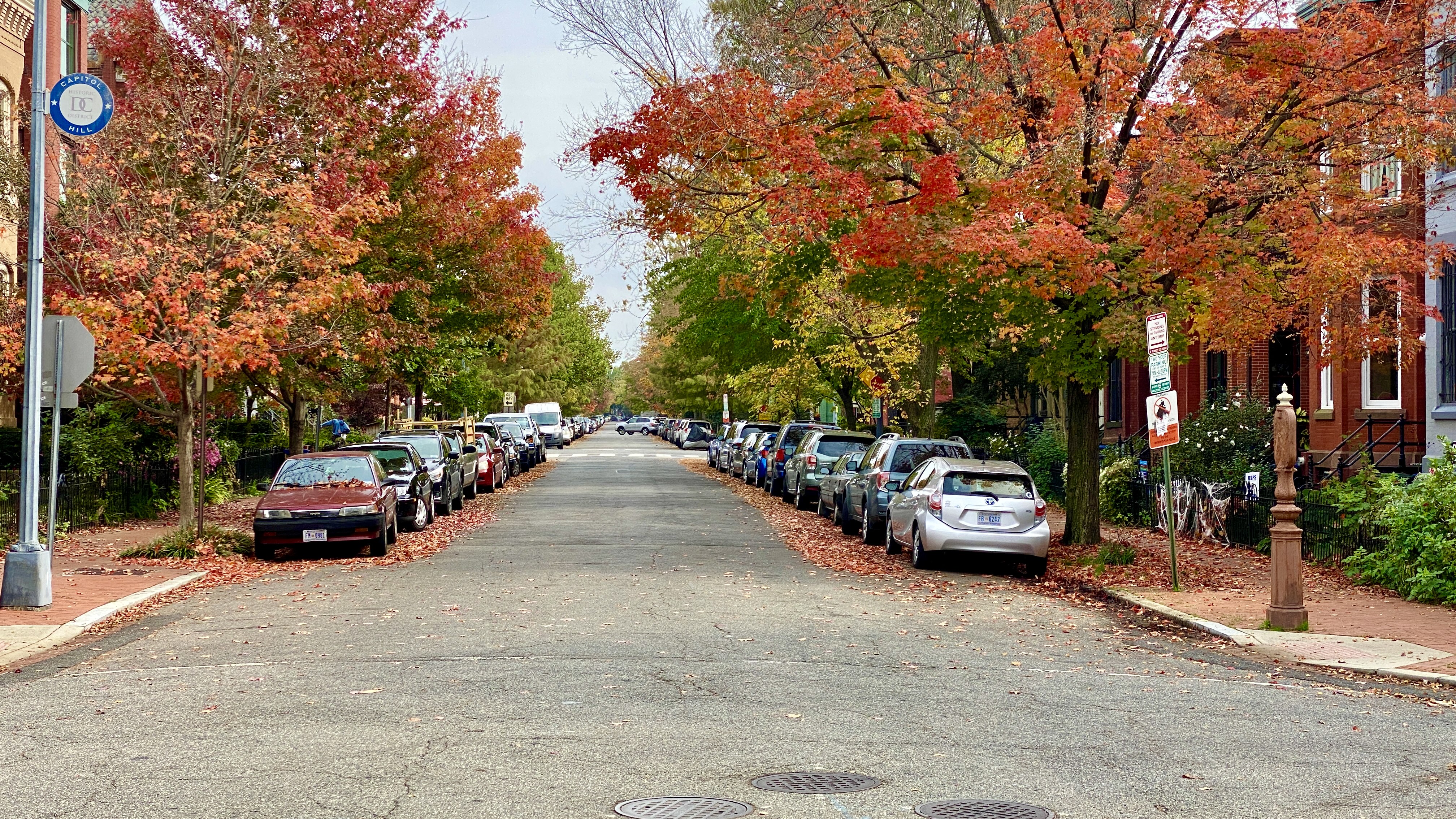
The project area includes street trees in the District of Columbia. There are approximately 170,00 publicly-owned trees distributed along the right of way, public schools and parks.
Management Goals
Management Goal: Enhance the health and resilience of public tree population.
Objectives:
1. Revise street tree planting list to improve resilience to pests and pathogens.
2. Evaluate and revise elm management program.
3. Develop and implement longitudinal study of tree condition and mortality.
Climate Change Impacts
For this project, the most important anticipated climate change impacts include:
Excessive fluctuations between dry and wet periods in the Mid-Atlantic may create conditions favoring drought and moisture tolerant trees, whereas trees that prefer well drained soils and consistent conditions will face stress.
Average summer high temperature of 87°F is projected to increase significantly to 93°F - 97°F by the 2080s. These values are projected to increase 2.5-3°F by the 2020s, 5-7°F by the 2050s, and as much as 6-10°F by the 2080s.
Extreme heat days and heatwaves will last longer and occur more frequently. Projections indicate an average of 18-20 days with temperature exceeding 95°F by the 2020s, 30-45 days by the 2050s, and 40-70 days per year by the 2080s.
Areas that already experience urban heat island effects within the District will be exacerbated as more frequent heat waves occur, leading to areas that are too hot, too often.
Overall, precipitation events in DC are projected to increase both in intensity and frequency. The results also indicate that these extreme rainfall events will become more frequent.
An increase in intense rainfall events may result in extensive damage from flooding to property and infrastructure including trees.
Challenges and Opportunities
Climate change will present challenges and opportunities for accomplishing the management objectives of this project, including:
Challenges
Increased stresses due to anticipated increases in average temperature, extreme heat events, and increased precipitation may predispose street tree species to attack by certain forest insect pests.
It is not possible to anticipate all the future pests which could impact our trees. Therefore, it is difficult to predict whether a pest could pose a grave threat to the potential survival of a species.
Due to changes in phenology, pollinators for a specific species may not be able to harvest enough pollen.
Opportunities
New species can be planted to decrease the shock to the urban forest due to invasive forest pest-induced mortality. Diversity will reduce the overall susceptibility to species-specific pests.
Adaptation Actions
Project participants used the Adaptation Workbook to develop several adaptation actions for this project, including:
Area/Topic
Approach
Tactics
Facilitate composition adjustments through species transitions
9.1. Favor or restore native species that are expected to be adapted to future conditions.
9.3. Select tree species to match current and future site conditions
9.3. Select tree species to match current and future site conditions
Explore new cultivars sourced from area within our projected hardiness zones.
Choose native species from southern plant hardiness zones.
Reduce the impact of biological stressors
Selecting species and cultivars that are less susceptible to pests and pathogens.
Maintain and enhance species and structural diversity
Increase diversity of publicly-owned tree population.
Monitoring
Project participants identified several monitoring items that could help inform future management, including:
Identify the composition of the urban forest. Develop biodiversity standards and goals.
Achieve biodiversity goals for the District, Wards, and neighborhood level.
Increase proportion of public trees with low climate vulnerability.
Keywords
Insect pests
Invasive species
Management plan
Planting
Urban